
HostHQ: One Platform Consolidation
TL;DR
Problem:
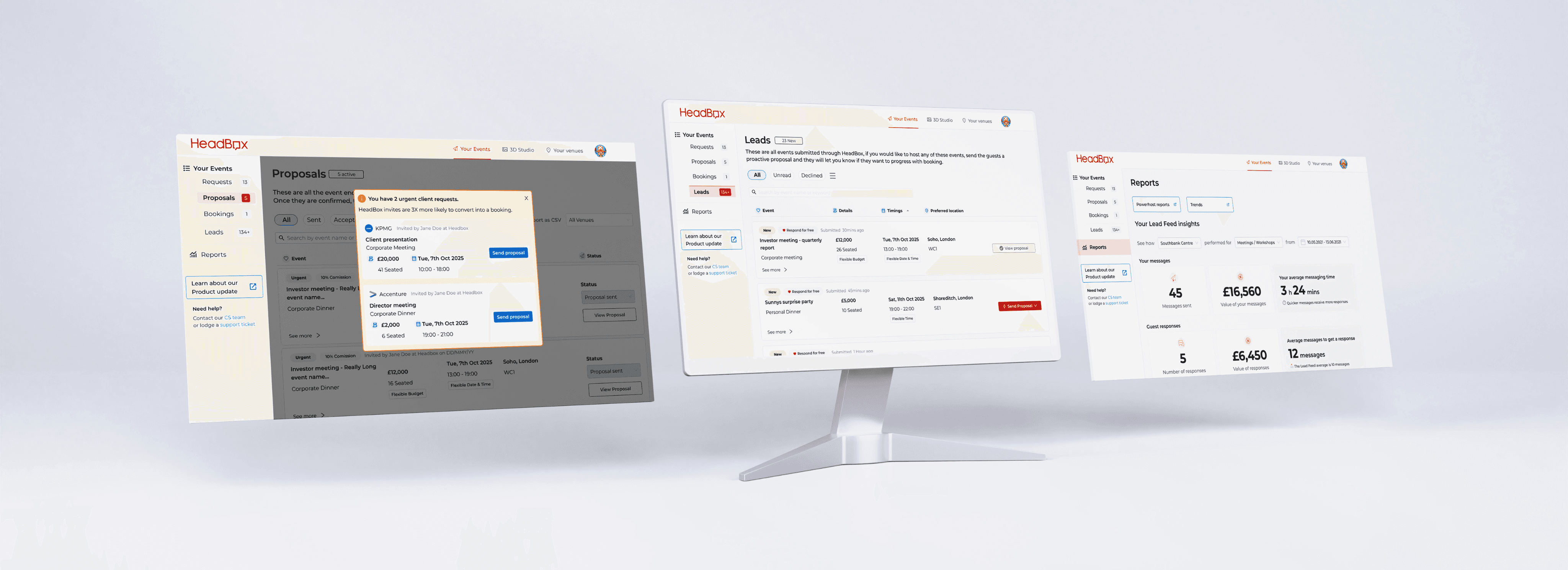
HeadBox’s B2B platform for venue hosts spanned multiple products (Lead Feed, PowerHost, HeadBox for Business, 3D Studio) that evolved in silos. We were shipping the org chart to customers.
Fragmented navigation, duplicated workflows, and inconsistent data created operational friction, limited cross-product adoption, and increased churn risk.
Solution:
I led the consolidation of HostHQ into one unified supply-side platform (nicknamed: One Platform) — restructuring the experience around host workflows, not internal product boundaries.
We reframed HostHQ from a collection of tools into a structured revenue engine designed to improve retention, efficiency, and cross-product adoption.
Impact:
Stakeholders:
Existing platform clients, CEO, CTO, Head of Marketing, Head of Venue Sales
Timescale:
3 Months for 0—>1 « From discovery to shipping the full product release to our customers.
I facilitated working sessions with current host customers from different venue types to understand how they actually operate beyond our product.
Insight:
HeadBox was not their main operating system, it was a peripheral lead channel.
Hosts didn’t need more features.
They needed clear growth signals and ROI visibility.
This reframed HostHQ from tool expansion to revenue clarity being the main goal, directly shaping the consolidation strategy.
Platform Consolidation Strategy
Rather than iterating on individual tools, I redefined HostHQ as a unified bookings system for marketplace hosts.
Strategic Shift
Collapse fragmented tools into a single system of entry
Re-architect the platform around host goals, not internal product lines
Centralise performance data into a clear, outcome-driven ROI narrative
Establish a modular architecture to support automation, AI, and seamless future integrations
This moved the conversation from “improving usability” to designing a scalable supply-side growth engine.
It created a coherent ecosystem ensuring new features and tools strengthen the platform rather than compound platform debt.
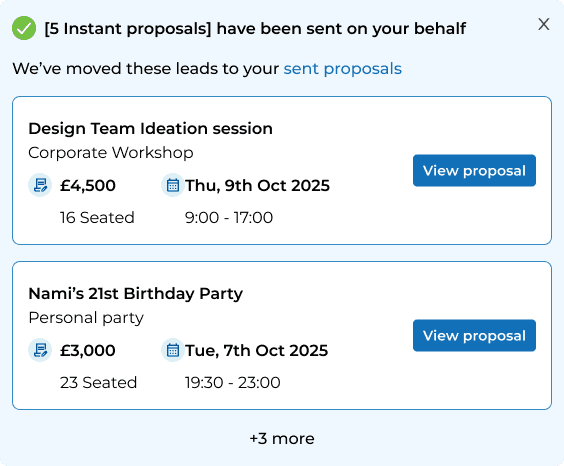
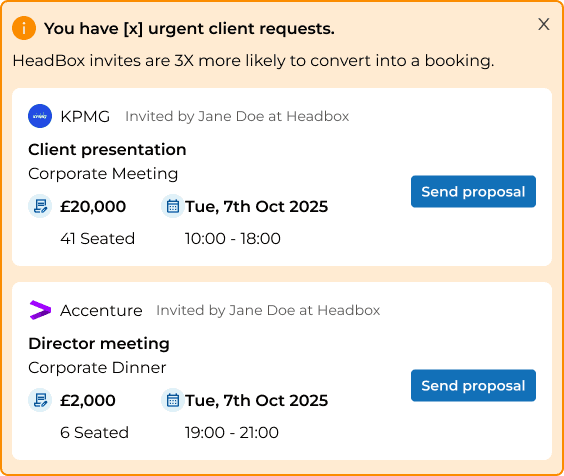
With a fixed three-month runway ahead of peak season, we prioritised structural impact over completeness.
Priorities:
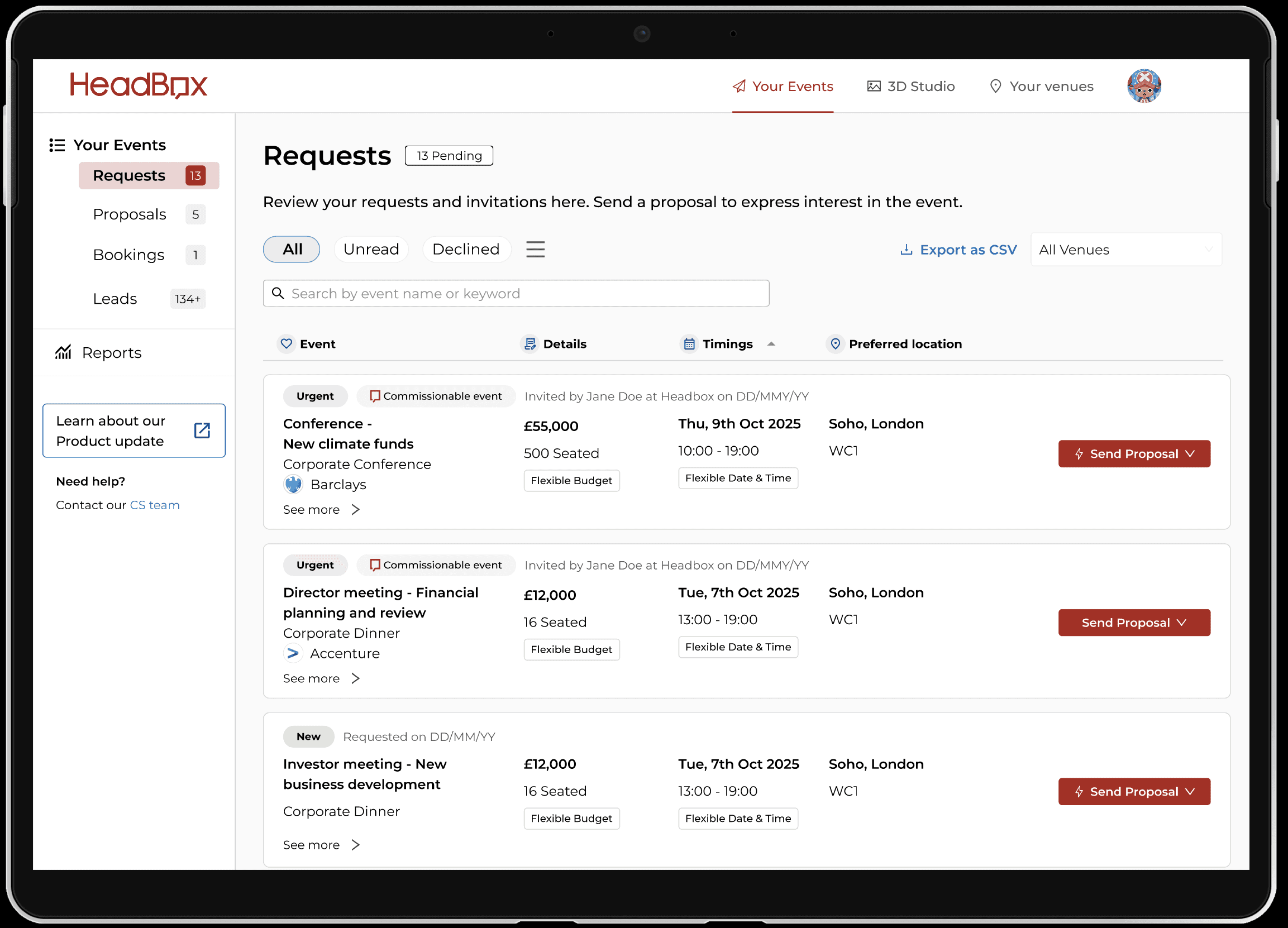
Unified navigation and information architecture
Consolidation of fragmented host workflows
Action-led dashboard behaviours
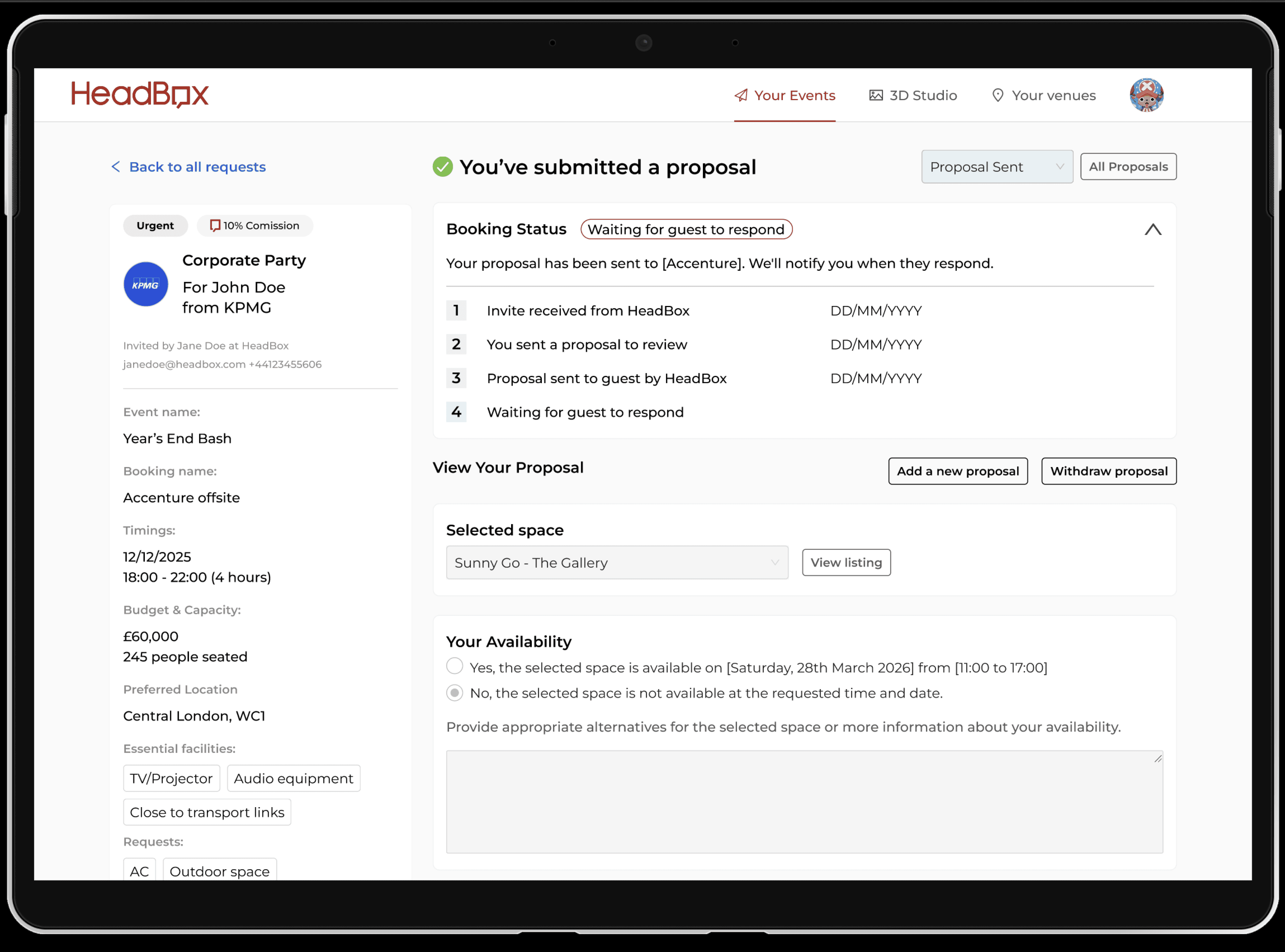
A strengthened, centralised proposal builder as the core revenue lever
The goal was system coherence — not surface polish.
Tradeoffs:
3D Studio
Legacy dependencies prevented full integration.
→ We embedded it within the proposal flow and deferred full migration.
Reporting
Fragmented data infrastructure meant that unified reporting layer was not feasible in this window without a data cleanup.
→ We shipped with marketplace reporting only, intending to improve this section later.
Performance
Data migration introduced slower load times in v1 for hosts with more data.
→ We prioritised consolidation and architectural clarity over performance optimisation.
Mobile Responsiveness
As it is a business platform product, the legacy platform was not mobile responsive and users were primarily using it on desktops. We decided to keep it as a desktop only experience for the MVP.
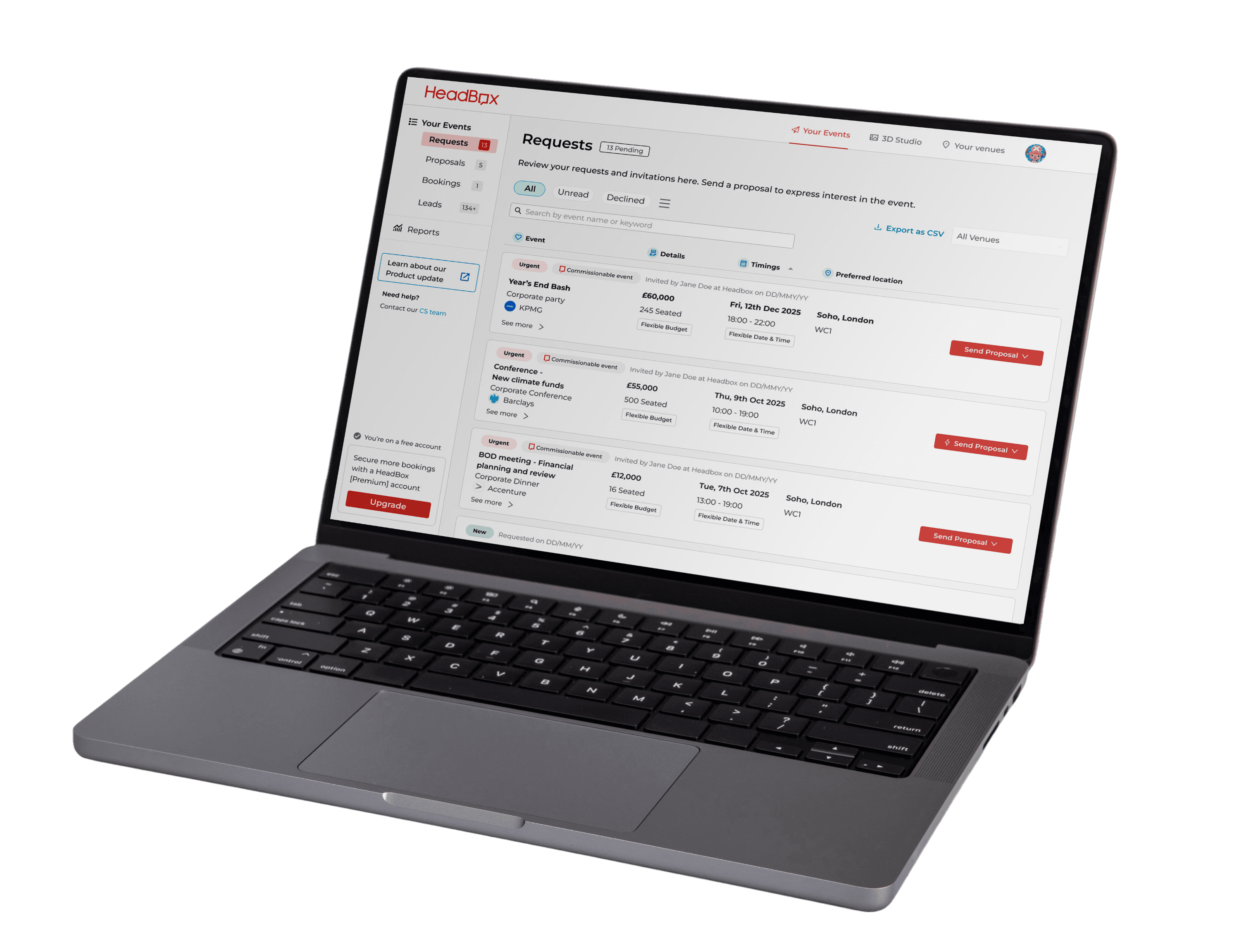
The initial consolidation stabilised the platform and reduced churn.
With a longer runway, the next phase would shift HostHQ from operational clarity to becomign a growth engine.
Longer term strategy:
Segment hosts by maturity and revenue band to tailor growth pathways
Introduce predictive performance insights to surface risk and opportunity scoring for event briefs early
Automate listing optimisation recommendations to improve supply quality at scale
Integrate AI-powered demand signals directly into the dashboard
Define a supply-side North Star beyond churn (e.g. host LTV uplift)
Better more consolidated reporting system with a clean data layer.
With this foundation, HostHQ evolves from a unified dashboard into a structured growth intelligence layer for marketplace supply.
Reflections
HostHQ taught me that platform debt is rarely a design issue; it’s an alignment issue.
Fragmentation came from reactive growth. Fixing it required reframing the problem from “better tools” to “clearer growth signals."
Strong marketplaces aren’t built through feature velocity.
They’re built through structural clarity and building features that add value or efficiency to their users existing workflows.